
Blog Details
Web Performance: The Hidden Factor Destroying Your Conversion Rates
 Performance
Speed Is Revenue: The Performance-Conversion Connection
Your website could be aesthetically perfect and strategically brilliant—but if it loads slowly, you're leaving money on the table. Every 100ms of delay costs conversion.
The Numbers
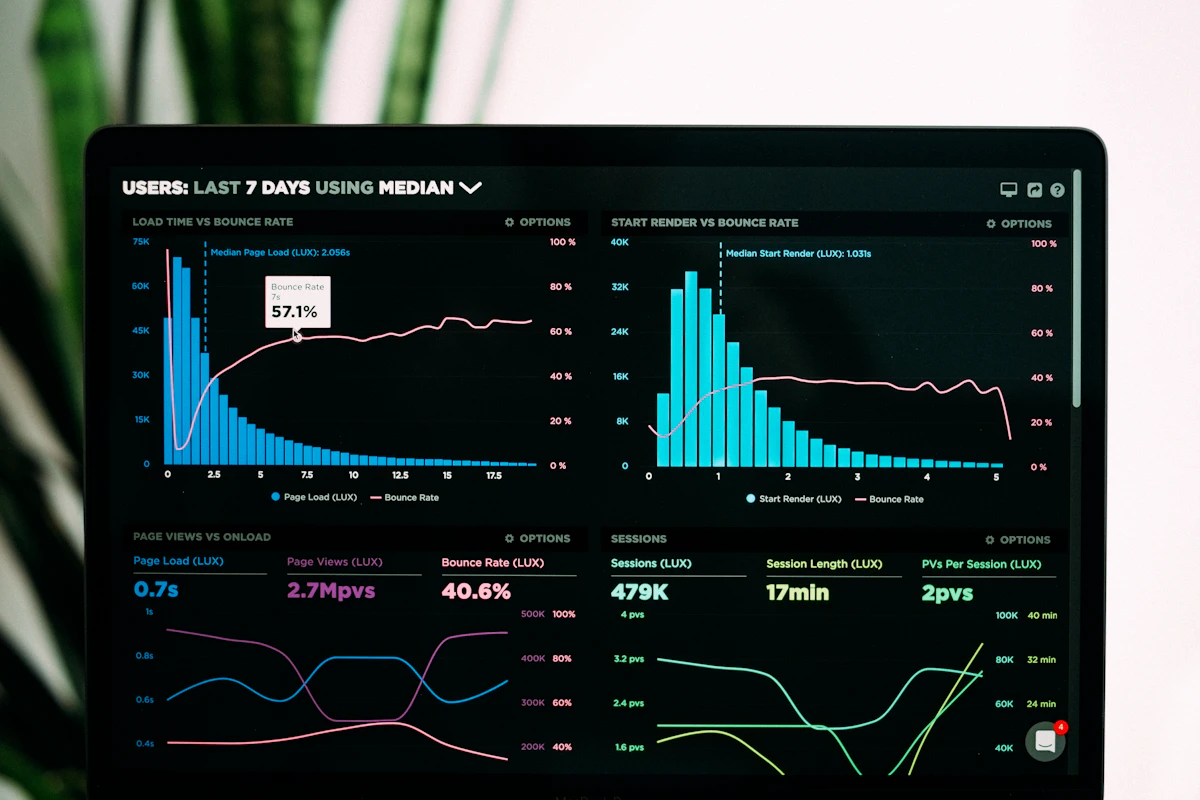
- 53% of mobile users abandon if page takes >3 seconds to load
- Each 1 second delay decreases conversion rates by 7%
- A 1-second improvement increases conversions by 10% (on average)
- 250ms latency = 1.2% loss in sales
For an e-commerce site doing $10M/year, that's $120,000 in lost revenue. For SaaS, it compounds through churn and reduced activation.
The Performance Audit
We conducted performance audits for 50 enterprise clients last year. Findings:
1. Images Unoptimized
40% of sites had images 5-10x larger than necessary. WebP + next-gen compression = instant 40% improvement.
2. Unminified Code
Third-party scripts often included bloated, unminified dependencies. Audit and prune = 30-50KB+ savings per page.
3. Render-Blocking Resources
CSS/JS loaded synchronously when they could be deferred. Proper loading strategy = 1-2 second improvement.
4. No Caching Strategy
Static assets served fresh every time. Implement browser + CDN caching = dramatic improvement.
5. Suboptimal Server Response
Slow backend = slow pages. Database optimization + Redis caching = noticeable improvement.
The Implementation Roadmap
- Phase 1 (Week 1): Audit with Lighthouse, GTmetrix, WebPageTest
- Phase 2 (Weeks 2-3): Fix low-hanging fruit (images, minification, caching headers)
- Phase 3 (Weeks 4-6): Architecture optimization (database queries, code splitting)
- Phase 4 (Ongoing): Monitoring and continuous optimization
Typical Results
Our clients typically improve Core Web Vitals by 40-60% within 4 weeks. This directly correlates to: better search rankings, improved user experience, and increased conversions.
Performance isn't a feature—it's a requirement. Your competitors are optimizing. Your users expect speed. The companies who invest in performance now will dominate their markets.
Share: